Create a Wildlife Haven: Biodiverse Landscaping Tips from F&R Landscapes Jun 16, 2026
Before diving into the process, let's consider why integrating biodiversity into your landscaping is essential. A biodiverse garden offers habitats for various species, contributing to the ecological balance and promoting natural pest control. Additionally, such spaces can improve soil health, increase pollination, and boost the overall resilience of your garden.
Start by assessing the natural features of your property. Identify areas where you can enhance biodiversity without compromising aesthetic or functional needs. Consider factors such as sunlight, soil type, and drainage. These will inform your plant choices and the overall design, ensuring that each element serves the dual purpose of beauty and habitat creation.
Next, focus on selecting native plants. Native species are better suited to the local climate and require less maintenance, making them ideal for biodiverse landscaping. They also provide the right food and shelter for local wildlife. Incorporate a variety of plants that bloom at different times of the year. This ensures a consistent food source for pollinators and provides ongoing visual interest.
Consider including a mixture of trees, shrubs, and ground covers to create layers of habitat. Trees offer nesting sites for birds, while shrubs and ground covers provide shelter and food for smaller creatures. If space allows, a water feature such as a pond or birdbath can attract additional species and offer a crucial resource during dry spells.
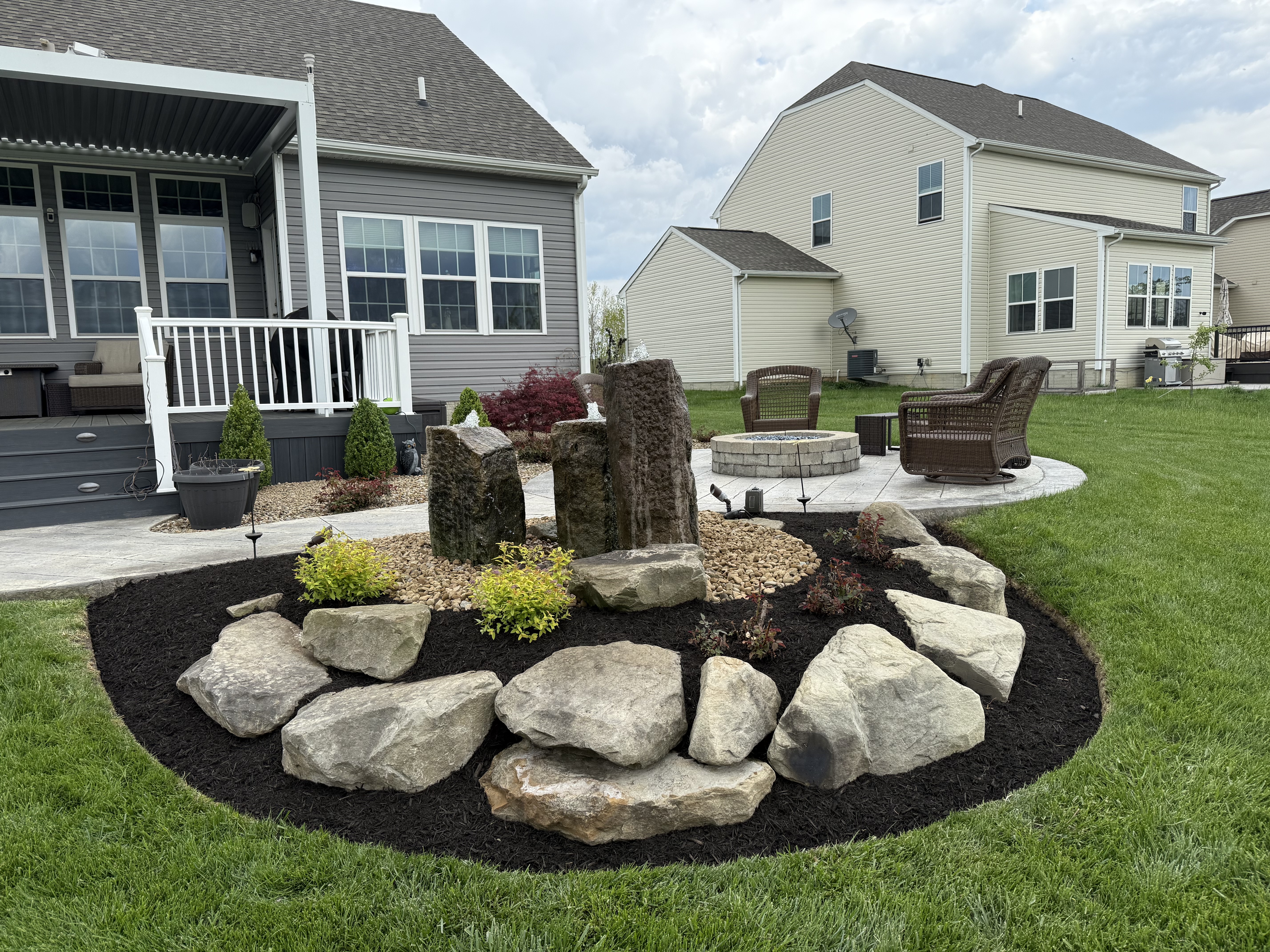
Incorporating natural elements like logs, rocks, and mulch can further augment your wildlife-friendly garden. These features provide hiding places and breeding grounds for insects, amphibians, and small mammals. Mulch, in particular, offers the added benefit of improving soil quality over time.
An essential component of biodiverse landscaping is minimizing the use of chemicals. Chemical fertilizers and pesticides can harm wildlife and disrupt the natural balance of your garden. Instead, encourage beneficial insects and practice organic gardening techniques to manage pests. Consider using companion planting—a technique where certain plants are grown together to naturally repel pests and boost plant health.
Providing shelter is another critical aspect. Install birdhouses or bat boxes to offer safe nesting sites. For smaller creatures like insects and amphibians, creating a ‘bug hotel’ using natural materials can be both a fun family project and an essential feature for your garden’s biodiversity.
In conclusion, by adopting the principles of biodiverse landscaping with guidance from F&R Landscapes, you can create a thriving wildlife haven right in your backyard. This approach not only enhances the aesthetic appeal of your garden but also plays a crucial role in supporting local ecosystems. Our team is ready to help you design and implement these strategies, ensuring your garden is both beautiful and beneficial to the environment. Embrace the journey toward a biodiverse landscape and enjoy the harmonious coexistence of nature right at your doorstep.
/filters:no_upscale()/filters:format(webp)/media/9975135a-b656-43f6-bd08-c63133e350cc.jpeg)